THE CHALLENGE
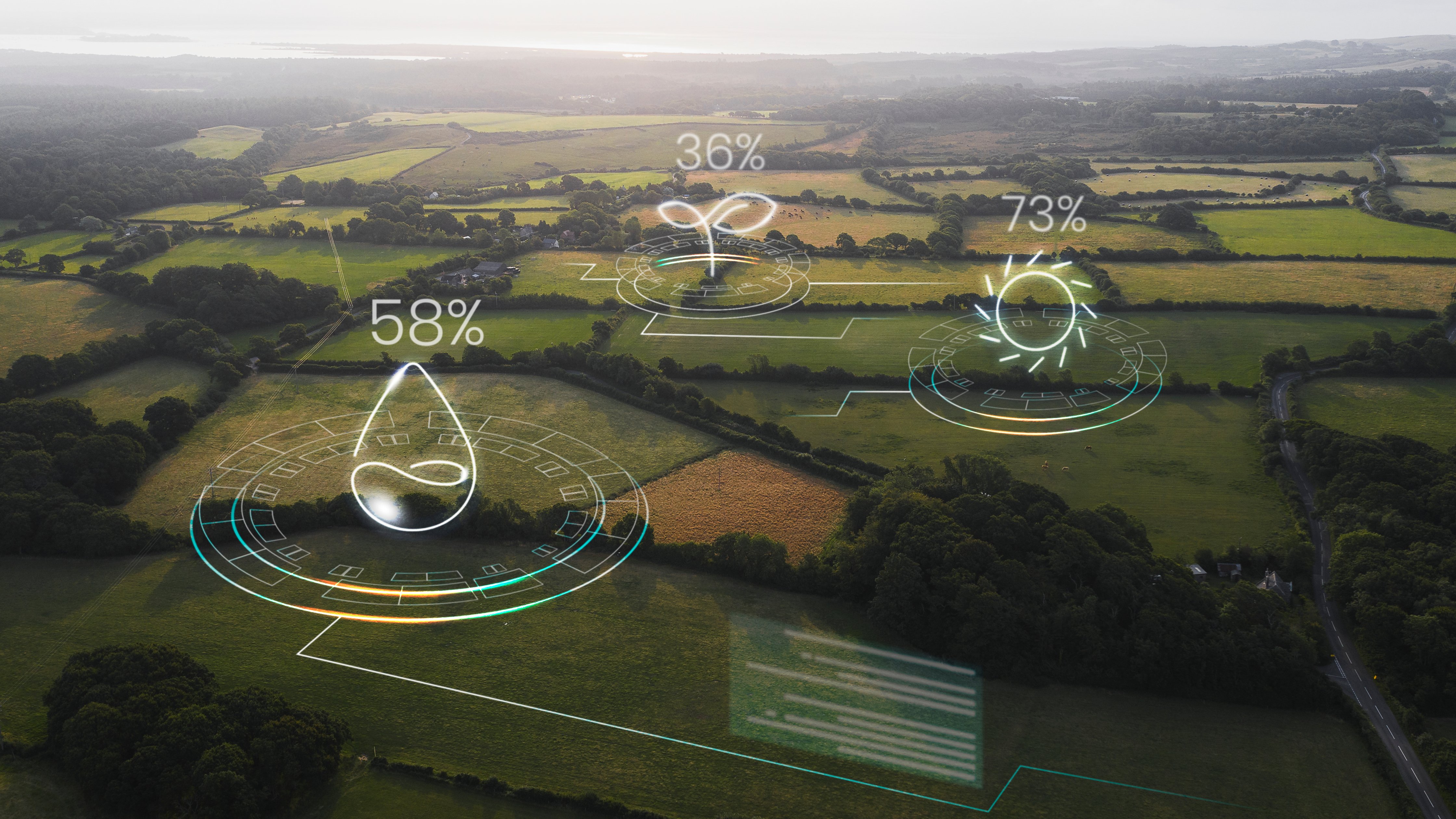
Carbon storage data can show where climate value exists across a landscape, but it often stops short of the property-level detail needed for action.
For conservation teams, investors, and public agencies, that creates a major gap. A high-carbon area may look promising on a regional map, but teams still need to know who owns the land, how it is used, whether it is feasible to protect, and how it compares with other opportunities.
Without parcel-level insight, high-carbon lands can remain hidden inside broad environmental datasets. Climate investment becomes slower and less efficient because teams have to piece together ownership, land use, ecological, and property information from multiple sources.
TPL needed a way to connect carbon value to real parcels so users could move from broad climate insight to practical land protection and investment decisions.
THE SOLUTION
TPL turned to Regrid’s nationwide parcel data to unify and ground its climate analysis.
With standardized parcel geometry, ownership information, and land use classification for parcels across the U.S., Regrid provided the spatial framework needed to connect carbon data to actual properties.
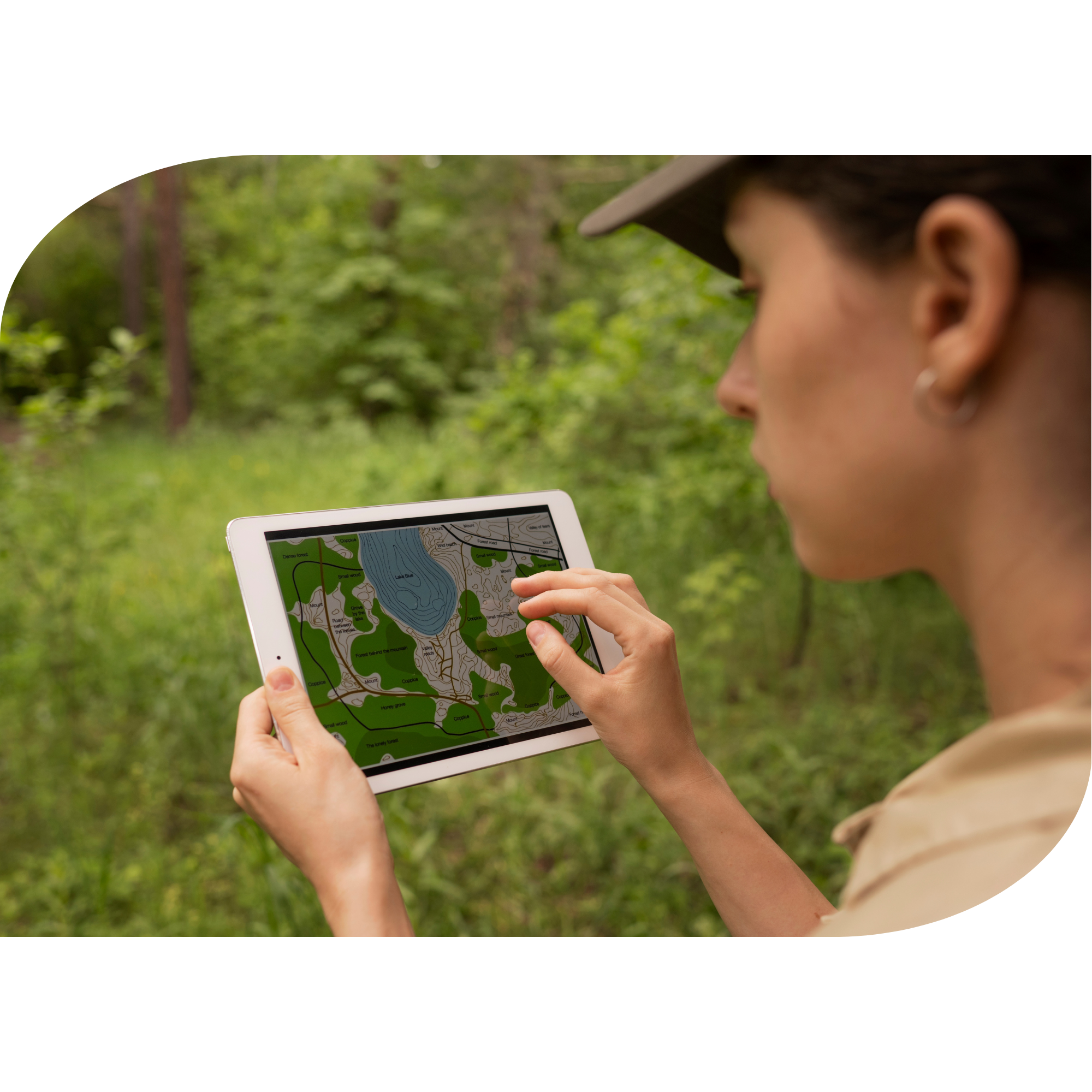
TPL layered this information into a national GIS platform where users can search by carbon value, land characteristics, ownership type, and conservation feasibility. Instead of looking at carbon potential by region alone, users can explore it by parcel and compare opportunities across landscapes and land types.
Regrid helped make carbon value searchable, filterable, and actionable at the property level. That same foundation is valuable for any team that needs to connect environmental data to land ownership, acquisition strategy, portfolio screening, or place-based investment.
THE RESULTS
TPL’s platform became the first map to link carbon storage potential to real-world, ownable parcels across 1.3 billion acres.
Users can now visualize carbon value by parcel, identify landowners, assess acquisition feasibility, compare climate potential across landscapes, and accelerate screening for conservation, offsets, and co-benefits.
The platform also helps reveal high-carbon lands in lower-cost regions that may otherwise be overlooked. A forest in Georgia that stores five times more carbon than a similar tract in Kansas can now be identified by parcel and brought into due diligence much faster.
What once required weeks of fragmented research can now happen in minutes. Land trusts, ESG investors, government agencies, and NGOs have a shared foundation for finding high-impact opportunities and acting on them with greater confidence.
The Trust for Public Land’s parcel-level carbon map shows what becomes possible when complete, standardized land information is connected to environmental intelligence. Regrid gives teams the spatial foundation to move faster, scale smarter, and deliver impact where it matters most.